
Before You Finish a Basement in North Dakota: Moisture, Radon and Insulation


Who this is for: North Dakota homeowners about to finish a basement who want to make sure the new space stays dry, healthy and warm.
The short answer
Only finish a basement that is dry, has been tested for radon, and has a plan for cold concrete walls. Once drywall and flooring go in, water stains, damp walls and radon test results are much harder and more expensive to deal with. The EPA's guidance on remodeling and indoor air quality says the same thing: fix moisture problems first, and test for radon before you begin, because fixing radon is usually easier and less expensive before the basement is finished.
That's how we approach every basement: we look for water issues first (grading, cracks, humidity), then recommend the materials and methods that will let you finish a basement that stays dry. Here are the five checks we'd want done before any framing goes up.
Check 1: The basement's water history
The most reliable predictor of future water is past water. Look along the bottom of the walls and across the slab for:
- Water stains, tide lines or dark patches on the concrete
- White, chalky deposits (efflorescence), which are minerals left behind when water moves through concrete and evaporates
- Rust on the bottoms of shelving, furnace legs or water heater stands
- A musty smell, especially after rain or snowmelt
- Damp cardboard boxes or anything stored on the floor
If you bought the house recently, check the seller's disclosure and ask neighbors whether their basements take on water in spring. A basement that leaks where the wall meets the floor needs that leak fixed by a waterproofing or foundation specialist before you finish it. In our own basement repair estimates, exterior waterproofing and structural slab work are outside our scope, so for a leak like this we point you to a foundation and waterproofing specialist.
Check 2: Grading, gutters and downspouts
Many basement water problems start outside. The EPA's guide to mold and moisture recommends making sure the ground slopes away from the foundation, so water doesn't collect around the base of the house. Walk around your home after a rain or during spring thaw and look for:
- Soil or patio slabs that slope toward the house
- Downspouts that empty right next to the foundation
- Overflowing or clogged gutters
- Window wells that collect water or snow
These are usually the cheapest fixes on this list, and they protect the finished basement for as long as you own the house.
Check 3: Cracks
Not every crack is a problem, but every crack should be looked at before it gets covered. Thin, dry cracks in a basement wall or floor are common in concrete. The cracks that call for a foundation specialist or structural engineer before you finish are the ones that:
- Leak or show staining around them
- Keep getting wider over weeks or months
- Are offset, with one side higher or pushed in further than the other
- Run horizontally along a wall, or come with a wall that bows inward
- Show up together with doors or windows upstairs that suddenly stick
A simple way to watch a crack is to mark its ends with a pencil, write the date next to it, and take a photo every few weeks. We don't diagnose foundations; if a crack looks structural, the right first call is an engineer, and the finish waits until the cause is fixed.
Check 4: Humidity
A basement can be dry to the touch and still be too humid to finish. The EPA recommends keeping indoor humidity below 60 percent, ideally between 30 and 50 percent, and notes you can check it with an inexpensive humidity meter. The risk is highest in warm, humid weather, when moist air meets cool basement walls and floors. The EPA points out that concrete slabs, especially without insulation underneath, are often colder than the basement air, which is how condensation forms.
Put a humidity meter in the basement for a few weeks during warm weather. If readings stay high, plan for a dehumidifier and choose finishes that can handle it. The EPA also advises against installing carpet near water sources or in areas with chronic moisture problems. Our guide to flooring that tolerates basement moisture compares the options.
Check 5: Radon
Test for radon before you build. On January 15, 2026, the North Dakota Department of Environmental Quality said 63 percent of North Dakota homes have radon above the EPA action level of 4.0 picocuries per liter (pCi/L), and that the EPA lists North Dakota as Zone 1, the highest potential for elevated radon. According to the EPA, radon is the number one cause of lung cancer among non-smokers and is responsible for about 21,000 lung cancer deaths in the U.S. every year.
The EPA recommends testing on the lowest lived-in level of a home, which a finished basement will become. Test kits are sold at hardware and building supply stores; the ND DEQ suggests choosing one labeled "EPA Approved" and notes that cold-weather months are a good time to test. If your result comes back high, a radon mitigation professional should design and install the fix. The ND DEQ radon program page links to a list of radon mitigation and measurement personnel in North Dakota.
Radon mitigation is installed by a certified radon mitigation contractor. Plan the finish around the mitigation system so it stays accessible after the walls go up, which is far easier before framing than after.
Insulating cold basement walls
Basement walls in North Dakota get cold, and the way they're insulated decides whether the finished room stays dry. A widely used reference from Building Science Corporation, written for the U.S. Department of Energy's Building America program (BSC Information Sheet 511, Basement Insulation), lays out the principles:
- Control liquid water first. Groundwater and rainwater control come before any insulation.
- Keep warm indoor air off the cold concrete. Rigid insulation that fully covers the exposed concrete prevents the cold surfaces where moisture condenses.
- Use insulation that isn't water-sensitive against the concrete.
- Skip the interior plastic vapor barrier on basement walls, so the wall can dry toward the inside.
How much insulation the wall needs depends on the energy code your city has adopted; Bismarck currently uses the 2021 International Energy Conservation Code, and we confirm the requirement with the permit. A common approach that handles moisture well is rigid foam board against the concrete with taped seams, a framed wall in front of it, and no interior plastic sheeting. Check how each estimate handles insulation: some basement budgets, including one of ours, list it as a separate item.
What these checks add to the budget and timeline
Most of these checks cost little: a radon test kit, a humidity meter, and a walk around the house in the rain. The fixes they uncover can add real cost and time, which is why they belong at the start of the plan. A regraded yard, a downspout extension or a dehumidifier is a small line item. A foundation repair or radon system is bigger, but it's still far cheaper before the basement is finished than after. For full project numbers, see our guide to basement finishing cost in Bismarck-Mandan.
Next: permits and egress windows
Once the basement passes these checks, the next step is the layout, and in Bismarck that means permits, egress windows for bedrooms and stair headroom. Read our guide to basement permit and egress rules in Bismarck and Mandan before you settle on where the bedrooms go.
Frequently asked questions
How do you handle moisture in basements?
We look for water issues first: past leaks, grading, downspouts, stains and the layers we can reach. Tell us whether water has entered before and share any radon test or drying records; these findings can change the wall and floor plan before new finishes go in. If something needs fixing, it gets fixed before framing starts, and foundation, radon or specialist testing is arranged with the right specialist first. Then we recommend materials and methods that suit a basement, such as insulation that tolerates moisture and flooring that won't be ruined by a damp slab, so the finished space holds up for years. If water has already damaged drywall or flooring, see our page on basement water damage repair.
Should I test for radon before finishing a basement?
Yes. The ND DEQ says 63 percent of North Dakota homes are above the EPA action level of 4.0 pCi/L, and the EPA advises testing before you remodel, because fixing radon is usually easier and less expensive before the basement is finished. A home test kit from a hardware store is a simple place to start.
My basement leaks where the wall meets the floor. Can I still finish it?
Not until the leak is fixed. Water at the joint between wall and floor usually points to a drainage or foundation issue, and finishing over it hides the problem behind new drywall and flooring. Have a waterproofing or foundation specialist find and fix the cause, let the basement prove it stays dry, then finish.
When should I worry about cracks in a basement floor?
Thin, dry cracks are common in concrete. Get a specialist's opinion before finishing if a crack leaks, keeps widening, has one side higher than the other, or shows up along with sticking doors upstairs. Mark the crack's ends with the date and photograph it every few weeks to see whether it's moving.
Planning to finish your basement? We'll walk it with you, check for water and moisture issues first, and give you a free written estimate for the finish. Call or text Viktor at (701) 329-9659 with your town, photos and what you want to change. Our office follows up during business hours. HHI is licensed in North Dakota (contractor license No. 000050538, Class D), and our employees are covered through WSI.
Planning a basement finishing in Bismarck–Mandan?
Free in-home consultation and a written estimate before any work starts.
Related guides
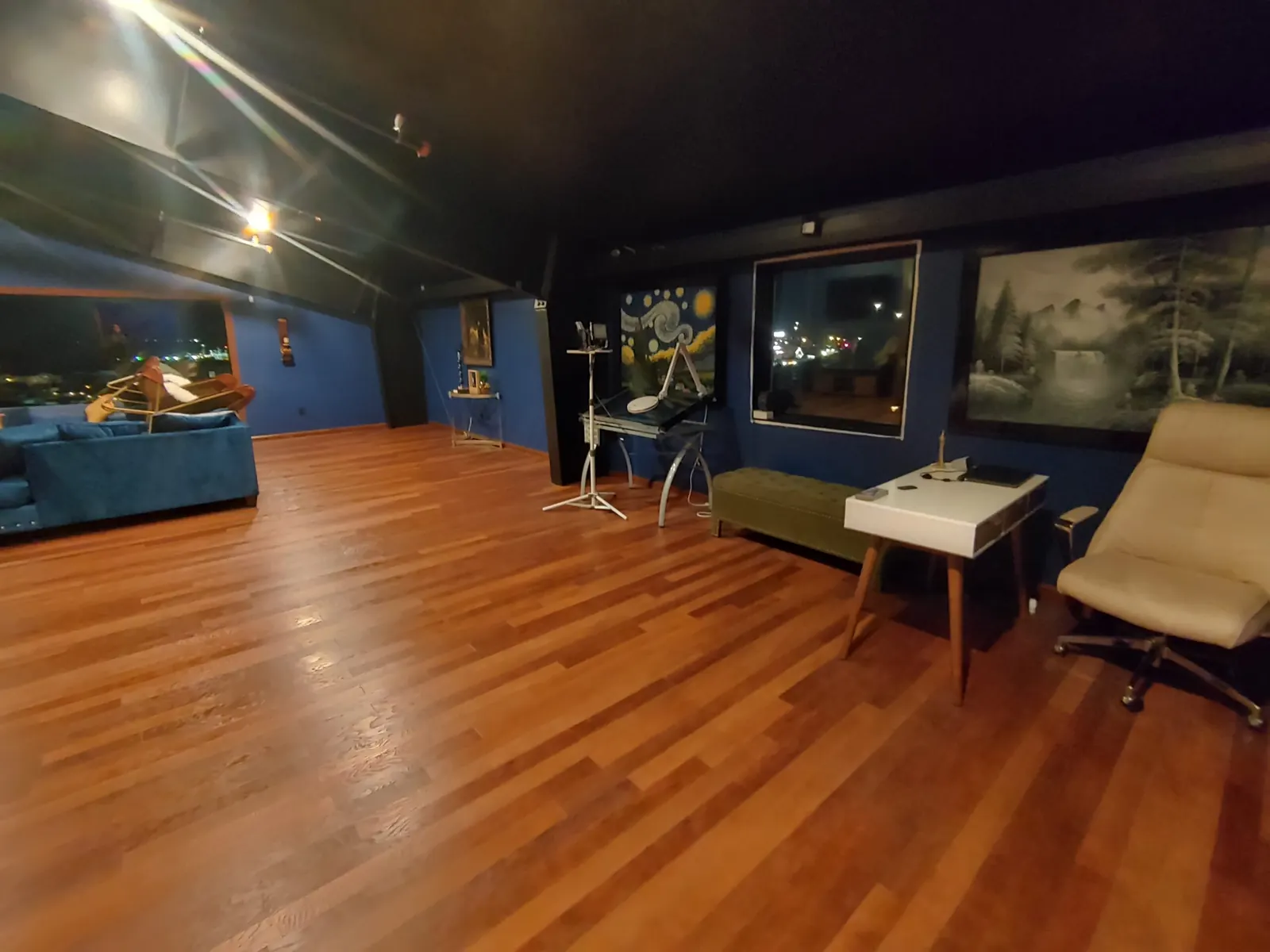
Do You Need a Permit to Finish a Basement in Bismarck or Mandan?
Yes. In Bismarck, "Basement Finish" is on the city's list of projects that require a permit, and electrical, plumbing and HVAC wor…
Read the guide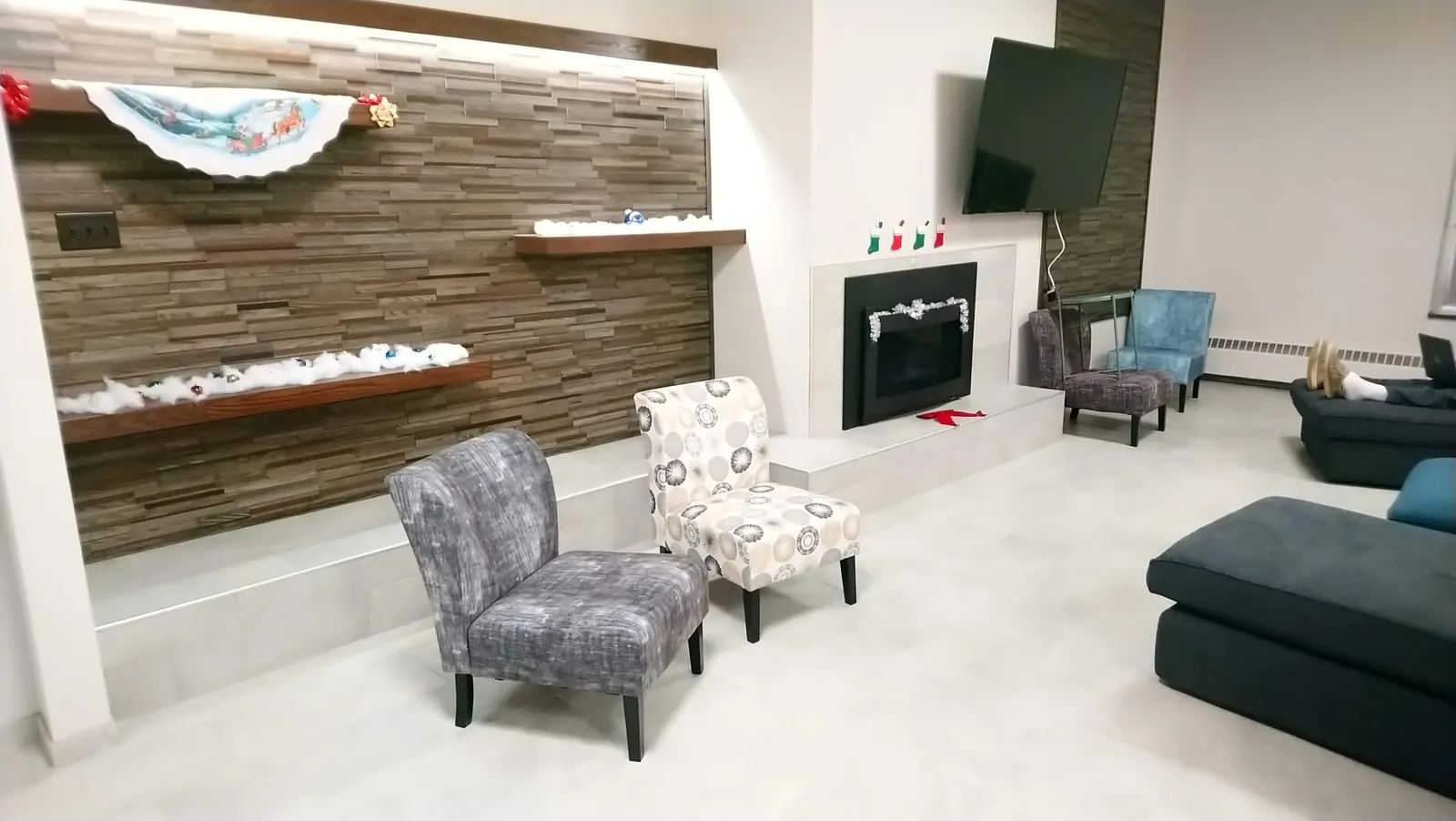
What Does It Cost to Finish a Basement in Bismarck-Mandan?
Most cost guides online are national averages built from per-square-foot formulas. They don't know that a basement bedroom in Bism…
Read the guide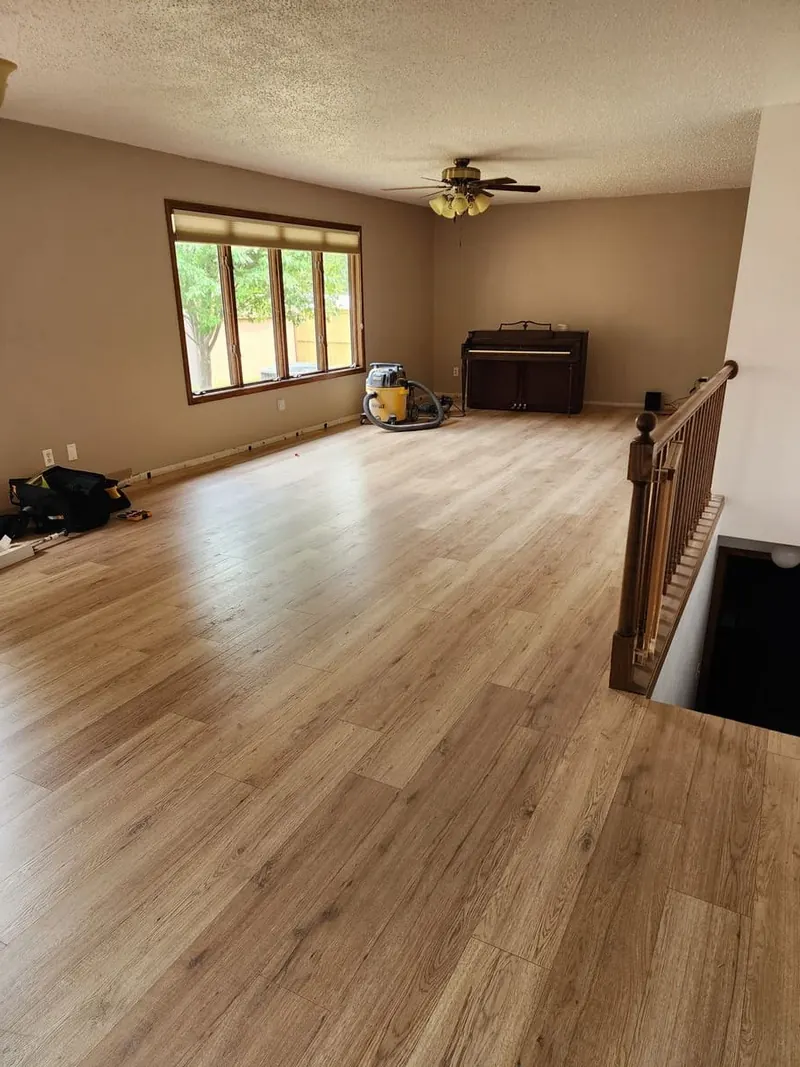
LVP, Tile or Epoxy: The Best Flooring for a North Dakota Basement
For most basement living space, luxury vinyl plank (LVP), including rigid-core versions often sold as SPC, is the best default: it…
Read the guide
Not ready to talk yet? Browse our catalog first.
Showers, bathrooms, basements, kitchens and floors we build, with the options and materials explained in plain English. We send it to your inbox. No calls.
Get your free estimate
Takes about a minute. Our office follows up during business hours; Viktor confirms the visit and the written scope.

Viktor, your general contractor, coordinates your estimate
- Our office follows up during business hours
- Free in-home consultation in Bismarck–Mandan
- Written estimate before any work starts