
Drywall Repair in Bismarck: When to Patch, When to Replace, and What It Costs

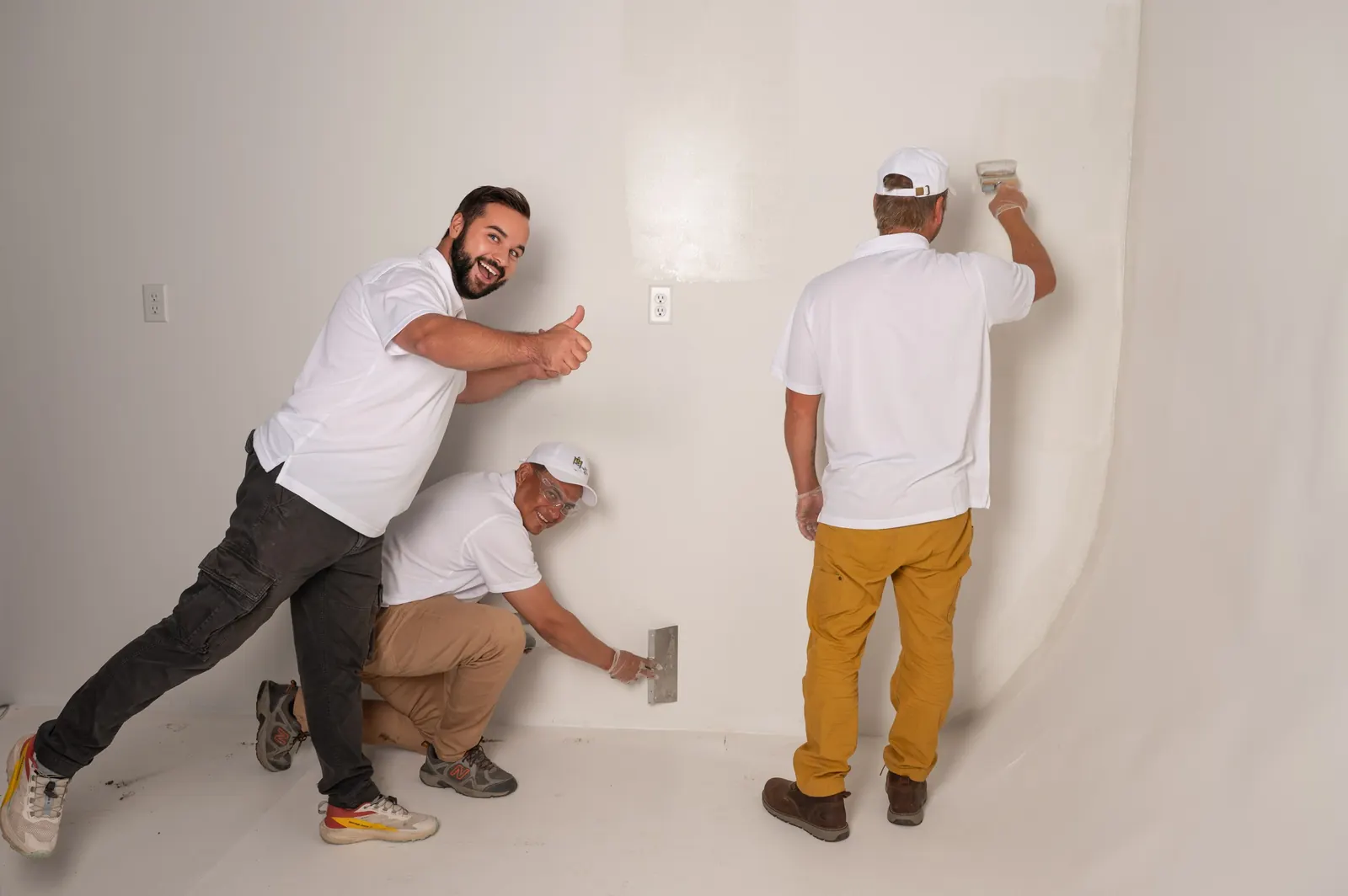
Drywall takes a beating in North Dakota homes. Doorknobs punch through it, winter pops nails out of it, and one bad ice dam or slow plumbing leak can leave a brown ring on the ceiling. Most of that damage is fixable. Some of it, though, is a sign that the wall needs more than a patch.
This guide covers how to tell a patch job from a replacement, what drives the cost, and how to get an accurate estimate fast. If you already know you want it fixed, our page on drywall repair in Bismarck-Mandan explains how we handle patching, replacement, texture and paint.
The drywall problems we see most in Bismarck-Mandan homes
- Holes from doorknobs, furniture and moving day. Usually clean, small and easy to patch.
- Nail and screw pops. Small round bumps or cracks over fasteners, which show up as house framing dries out and moves.
- Cracks at the corners of doors and windows. Diagonal hairline cracks running from the corner of an opening.
- Cracks where the wall meets the ceiling, mostly in winter. Roof trusses can bow upward in winter and lift the ceiling drywall away from interior walls; the crack often closes again in summer (CMHC, Drywall Application).
- Peeling or bubbling tape seams. Usually from a poor original taping job or moisture.
- Water stains and sagging ceilings. Common causes are ice dams, roof leaks, bathroom leaks from the floor above, and plumbing leaks.
- Basement drywall damage. This comes from moisture, minor flooding, or drywall installed too close to a damp concrete floor. If the whole space needs redoing rather than a patch, that's basement remodeling, and the moisture source gets fixed first.
North Dakota's climate plays a big role. Canada Mortgage and Housing Corporation's builder guide notes that framing lumber in a finished house dries to about 12 to 14 percent moisture content, and to 6 to 9 percent in mid-winter and in drier climates. As the wood shrinks, studs pull away from the board. That's why nail pops and hairline seam cracks often appear, or reappear, in January and February. For a closer look at what each type of crack means, see our guide to what causes drywall cracks in North Dakota homes.
When a patch is enough
A patch is usually the right call when the damage is small, the drywall around it is solid and dry, and the cause is a one-time event rather than an ongoing problem. Typical patch jobs include:
- Small holes, such as a doorknob-size hole or smaller
- Nail and screw pops
- Hairline cracks at door and window corners
- Dents, dings and gouges
- Small sections of loose or bubbled tape
A good patch has three parts: the repair, matching the texture, and paint. Most "bad patch" complaints come from the last two.
When it's time to replace a section, or the whole panel
Patching over an active problem means paying for the repair twice. Replacing a section makes more sense when:
- The hole is large or the edges are crumbling, and a patch wouldn't have solid board to attach to.
- The drywall is soft, swollen or sagging. This is common on ceilings under a leak.
- The drywall stayed wet. The EPA advises drying water-damaged areas within 24 to 48 hours to prevent mold growth, and notes that porous materials may have to be thrown away if they become moldy (EPA, A Brief Guide to Mold, Moisture and Your Home). Drywall is porous. If it stayed wet longer than that, or you can see or smell mold, cutting it out is usually the safer fix.
- The same crack keeps coming back in the same spot after it's been repaired. That points to movement or moisture that needs to be found first.
- The insulation behind it got wet, which is common with ceiling leaks and basement water.
Patch or replace: a quick guide
- Small hole, solid surrounding board: patch
- Nail pops or hairline corner cracks: patch, and expect some to return seasonally
- Large hole with damaged edges: replace a section
- Water stain, board still firm and dry: fix the leak, then seal the stain and repaint
- Soft, sagging or crumbling board after a leak: replace
- Visible mold, or board that stayed wet more than 48 hours: replace, and find out why it got wet
- Widening or zigzag cracks, or doors that suddenly stick: call a structural or foundation professional first, then repair the drywall
Water-stained drywall: fix the cause before the wall
A ceiling stain is a symptom, not the problem. First the source gets found and fixed: an ice dam, a roof leak, a toilet or shower seal upstairs, or a plumbing line. Then the area is confirmed dry with a moisture meter, not just by touch. If the board is still firm, a stain-blocking primer and fresh paint may be all you need. If it's soft or sagging, that section comes out.
What does drywall repair cost?
Drywall repair pricing varies a lot by job size, so national numbers are only a starting point. Here's what two national cost guides report:
- Homewyse (pricing updated May 2026) puts the national average for repairing a drywall hole up to 1 foot across at $297 to $472 per patch and up, with painting the patched area priced as an add-on.
- Bob Vila (updated September 2025) cites Fixr data that a pro charges at least $75 for small holes up to 4 inches, and says to expect $200 to $550 for multiple holes and cracks in a single room.
These are national figures, not Bismarck-Mandan prices and not our pricing. For our work, here are three real examples from 2026 HHI estimates. General drywall patching and texturing of about 150 square feet was a $1,500 allowance inside a larger job. Replacing about 150 square feet of water-damaged drywall was $1,500, plus $750 to prime and paint. A soffit and ceiling repair with texture blending, stain-blocking primer, paint and scaffolding was a $3,910 fixed quote. Small patches are priced from photos or a quick visit.
What drives the price of a drywall repair
- Number and size of the damaged areas. Several repairs in one visit cost less per repair than separate trips.
- Ceiling vs. wall. Ceiling work takes more setup and is slower than wall work.
- Texture. A smooth wall is the simplest. Orange peel, knockdown and other textures take extra steps to blend.
- Paint. A touch-up on a wall painted years ago rarely blends, even with the same color, because paint fades and sheen varies. Repainting the whole wall corner to corner looks cleanest and adds to the cost.
- Water damage. Cutting out wet board, replacing insulation and treating stains adds labor and materials.
- Height and access. Stairwells, vaulted ceilings and tight spaces take longer.
- Drying time. Joint compound needs to dry between coats, so even a small repair may take more than one visit.
Should you wait until spring to fix winter cracks?
For seasonal cracks, often yes. If a crack opened along the ceiling line in January, or nail pops appeared during the coldest weeks, waiting until late spring means the repair isn't fighting movement that's still happening. Re-securing popped fasteners with screws and using a joint that can flex where the wall meets the ceiling also helps the fix last.
Don't wait on water damage, a sagging ceiling, or a crack that's growing week to week. Those need attention now, starting with the cause.
Older homes: test before you sand
The EPA lists textured paint and patching compounds used on walls and ceilings among the places asbestos may be found in older homes (EPA, Learn About Asbestos). Its guidance is simple: if in doubt, treat the material as if it contains asbestos, leave it alone, and don't saw, sand, scrape or drill it (EPA, Protect Your Family from Exposures to Asbestos). A trained and accredited professional should take samples before anyone opens up an old textured ceiling.
DIY or hire a pro?
A nail pop or a small hole in a smooth wall is a reasonable weekend project if you're handy. Hire it out when the repair is on a ceiling, the wall has a texture to match, there's water damage or wet insulation involved, there are several repairs across the house, or you want it finished so you can't tell where it was.
How to get a fast, accurate drywall estimate
Photos save everyone time. Send a wide shot of the wall or ceiling (so we can see texture and paint), a close-up of the damage with a tape measure in the frame, the room and ceiling height, and for water damage, when it happened and whether the leak is fixed. We can discuss whether a patch will blend, whether the damaged section needs replacement and how far the paint should extend. Several small repairs can be priced together.
Our crew patches, replaces, textures and paints, with dust barriers and cleanup agreed before work starts. We match the existing texture from a sample; if the texture or the paint shade differs, the paint may need to run to the corner or cover the whole wall. A popcorn ceiling can be patched or removed; in one 2026 HHI proposal, popcorn removal for a whole house was priced at $5,000–$7,000, with asbestos testing and abatement handled separately. The age of a house alone doesn't tell you what a material contains: if a texture may contain asbestos, arrange a qualified assessment before anyone disturbs it.
Frequently asked questions
How much does drywall repair cost?
National guides put a small hole at $75 and up and several holes and cracks in one room at $200 to $550 (Bob Vila, citing Fixr), and a hole up to a foot across at $297 to $472 per patch and up (Homewyse). Local prices depend on size, ceiling vs. wall, texture and paint, so photos are the fastest route to a real number.
Can a water-stained ceiling be patched, or does it need to be replaced?
If the leak is fixed and the drywall is still firm and dry, a stain-blocking primer and fresh paint may be enough. If the board is soft, sagging or crumbling, or it stayed wet for more than about two days, that section should be cut out and replaced, along with any wet insulation above it.
How long does a drywall repair take?
The hands-on work for a small repair is short, but joint compound has to dry between coats before sanding, texture and paint, so even a small patch may take more than one visit. Ceilings, larger repairs and water-damaged areas take longer, especially if the area has to dry out first.
Ready to get it fixed? Send a wide photo and a close-up of the damage and we'll get you a free written estimate. Call or text Viktor at (701) 329-9659 with your town, photos and what you want to change. Our office follows up during business hours. HHI is licensed in North Dakota (contractor license No. 000050538, Class D), and our employees are covered through WSI.
Planning a drywall repair in Bismarck–Mandan?
Free in-home consultation and a written estimate before any work starts.
Related guides
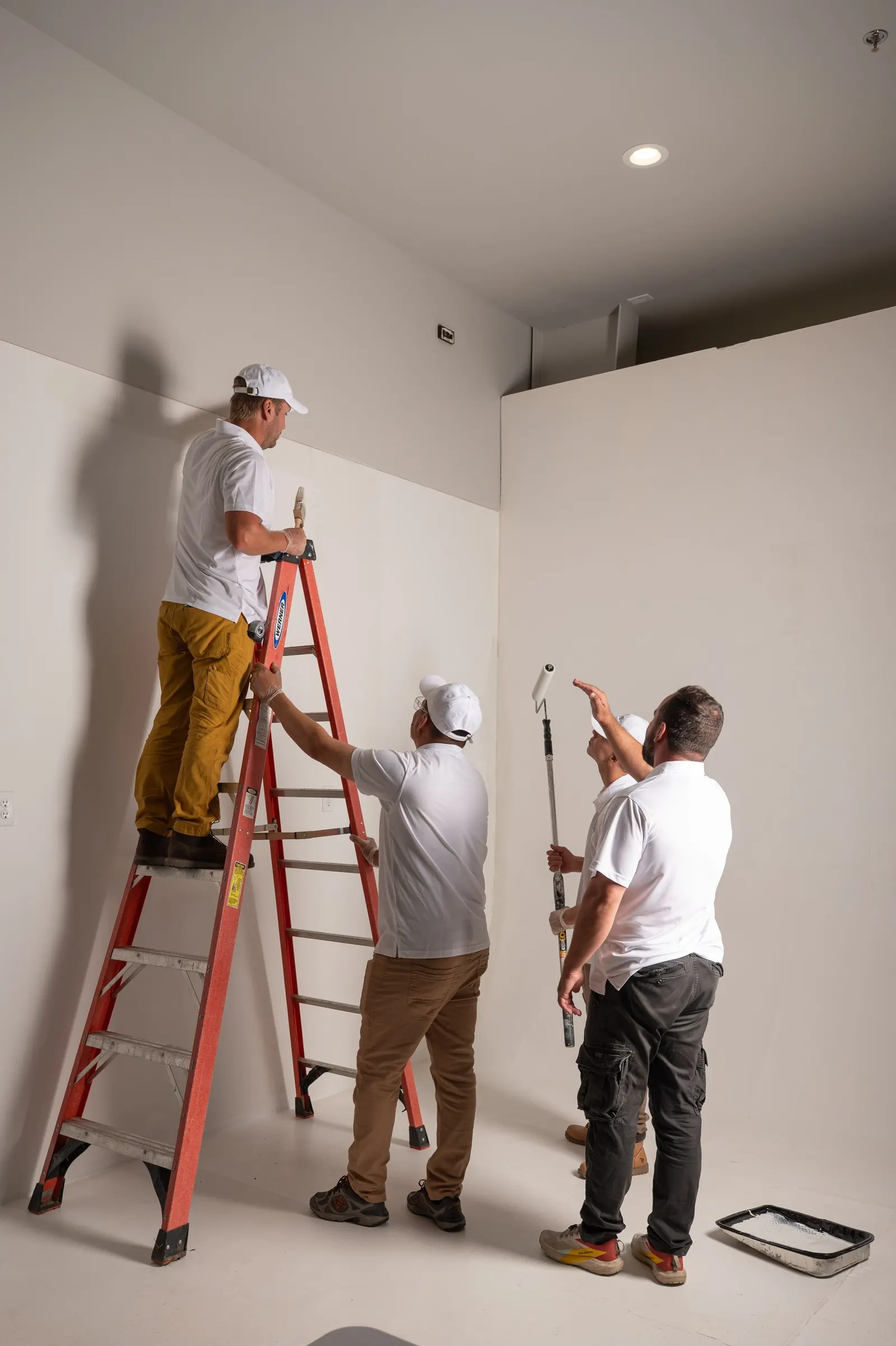
Drywall Cracks in North Dakota Homes: Settling, Frost or Water?
Most drywall cracks in North Dakota homes are cosmetic. They usually come from wood framing that shrinks as it dries, especially d…
Read the guide
What to Fix Before You List Your Home in Bismarck-Mandan
Before you list, fix what a buyer or inspector will notice and question, freshen what looks tired in photos, and skip big remodels…
Read the guide
Not ready to talk yet? Browse our catalog first.
Showers, bathrooms, basements, kitchens and floors we build, with the options and materials explained in plain English. We send it to your inbox. No calls.
Get your free estimate
Takes about a minute. Our office follows up during business hours; Viktor confirms the visit and the written scope.

Viktor, your general contractor, coordinates your estimate
- Our office follows up during business hours
- Free in-home consultation in Bismarck–Mandan
- Written estimate before any work starts